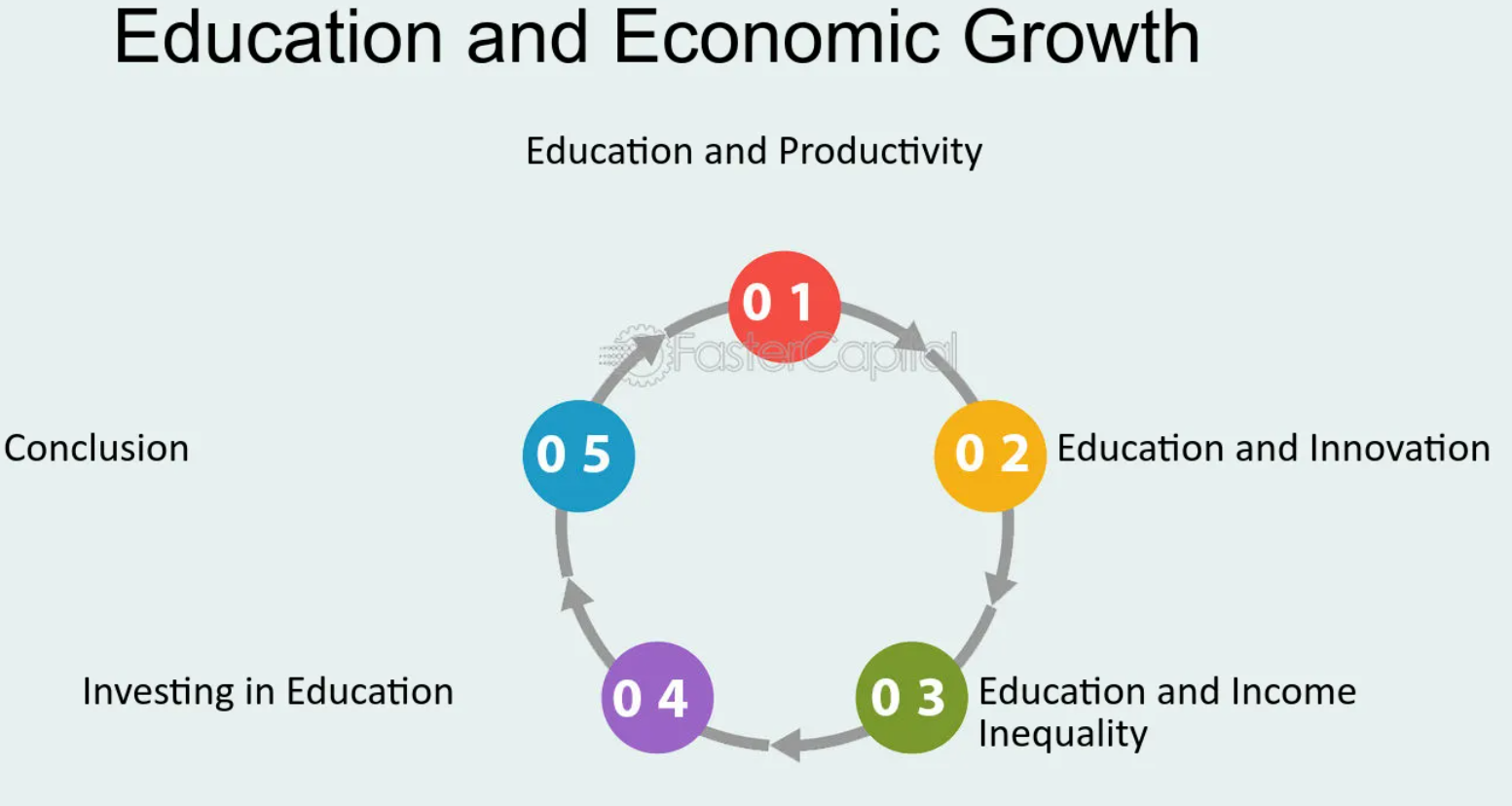
In the contemporary globalized world, international education has become a significant driver of economic development for both developed and developing nations. International education refers to educational activities that take place across national borders, including studying abroad, international student exchange programs, global research collaboration, and the internationalization of higher education institutions. By developing human capital, promoting innovation, and strengthening global cooperation, international education contributes directly and indirectly to economic growth and sustainable development.
One of the most important ways international education supports economic development is through the development of human capital. Education equips individuals with knowledge, skills, and competencies that enhance productivity and innovation. When students participate in international education, they gain advanced academic training, global perspectives, and specialized expertise that may not be available in their home countries. These individuals often return with improved skills and knowledge that contribute to workforce development and economic progress in their home nations.
International education also helps address skills shortages in national economies. Many countries face gaps in critical sectors such as science, technology, engineering, healthcare, and research. International students often fill these gaps by contributing to academic institutions and labor markets during and after their studies. Host countries benefit from a diverse and skilled talent pool that supports economic competitiveness, while students gain valuable professional experience that enhances their employability.
Another key contribution of international education to economic development is innovation and research advancement. International academic collaboration brings together researchers, scholars, and students from different countries to share ideas, methodologies, and technologies. These collaborations often lead to scientific discoveries, technological innovations, and research solutions to global challenges. Innovation generated through international education supports industrial growth, entrepreneurship, and technological advancement, which are essential for economic development.
International education also contributes to economic development through direct financial benefits. International students generate significant revenue for host countries through tuition fees, accommodation, transportation, and living expenses. This spending supports local economies, creates jobs, and stimulates growth in sectors such as education, housing, tourism, and services. Many countries view international education as an important economic sector that contributes substantially to national income.
From a long-term perspective, international education strengthens economic ties between countries. Graduates of international programs often maintain professional and business connections with their host countries. These networks facilitate trade, investment, and international business collaboration. Educational relationships built through international education contribute to stronger economic partnerships and global economic integration.
International education also supports economic development by promoting entrepreneurship and business leadership. Exposure to global markets, diverse business practices, and international innovation ecosystems encourages students to develop entrepreneurial skills. Many international graduates establish startups or introduce innovative business models in their home countries. These entrepreneurial activities generate employment, increase productivity, and contribute to economic diversification.
Another important role of international education in economic development is its contribution to social mobility and income growth. Individuals with international education qualifications often have access to higher-paying jobs and better career opportunities. Increased earning potential improves living standards and reduces poverty. At a societal level, a skilled and educated workforce contributes to economic stability and long-term development.
Despite its economic benefits, international education also presents challenges related to economic development. Brain drain is a concern for some developing countries, as highly skilled individuals may remain in host countries after completing their studies. This can limit the availability of talent in home countries. However, this challenge can be addressed through policies that encourage knowledge transfer, return migration, and international collaboration. Many countries benefit from brain circulation, where skills and knowledge flow across borders rather than remaining in one location.
Governments play a crucial role in maximizing the economic benefits of international education. Through strategic investment, scholarship programs, and supportive immigration policies, governments can attract international students and promote talent retention. At the same time, policies that support returning graduates and international partnerships can ensure that international education contributes to domestic economic development.
International education also supports sustainable economic development by promoting global understanding and cooperation. Economic challenges such as climate change, inequality, and technological disruption require international collaboration. International education prepares individuals to address these challenges by developing global competencies, ethical awareness, and problem-solving skills. A globally educated workforce is better equipped to contribute to sustainable and inclusive economic growth.
In conclusion, international education plays a vital role in economic development by developing human capital, promoting innovation, generating economic revenue, and strengthening global economic connections. While challenges such as brain drain exist, the overall impact of international education on economic growth and development is significant. By investing in international education and adopting inclusive and strategic policies, countries can harness its potential to support long-term economic development in an increasingly interconnected world.


