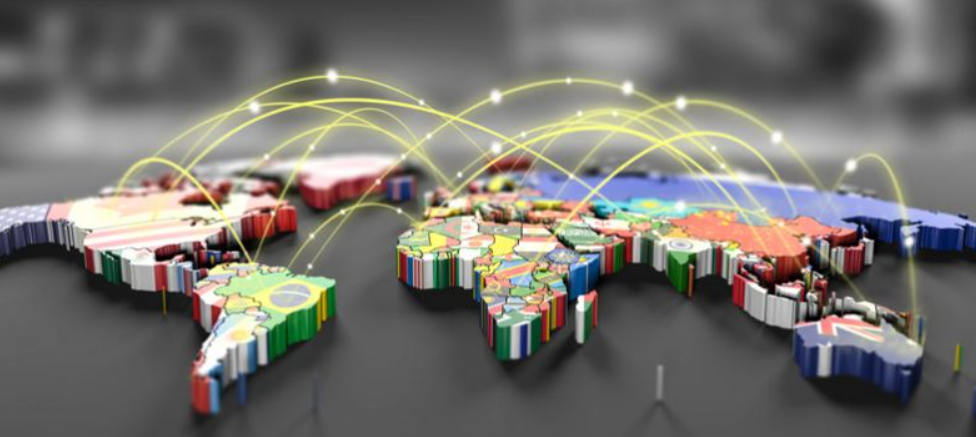
International education has increasingly become a strategic tool in shaping relations between nations in a globalized world. Beyond academic exchange and skill development, international education now plays a crucial role in knowledge diplomacy, which refers to the use of education, research, and knowledge exchange to build trust, foster cooperation, and address shared global challenges. Through international education, countries engage in soft power practices that strengthen diplomatic ties and promote mutual understanding.
Knowledge diplomacy is grounded in the idea that education and knowledge are powerful instruments for international engagement. International education enables the flow of students, scholars, and ideas across borders, creating long-term relationships between individuals and institutions. These relationships often extend beyond academic contexts into economic, political, and cultural spheres. As graduates return to their home countries or pursue international careers, they act as informal ambassadors, strengthening diplomatic connections between nations.
One of the primary ways international education supports knowledge diplomacy is through student mobility. International students who study abroad gain exposure to the host country’s culture, values, and academic traditions. This experience fosters cross-cultural understanding and mutual respect. Over time, alumni networks formed through international education contribute to sustained diplomatic engagement, as former students often occupy influential positions in government, business, and academia.
Academic collaboration and research partnerships are also central to knowledge diplomacy. International education facilitates joint research projects that address global challenges such as climate change, public health, and technological innovation. By working together, researchers from different countries share expertise and resources, building trust and advancing common goals. These collaborations strengthen diplomatic relationships by demonstrating the value of cooperation over competition.
Governments play a key role in promoting international education as a component of knowledge diplomacy. National scholarship programs, exchange initiatives, and international research funding are often designed to enhance a country’s global influence. By investing in international education, governments project soft power and build positive international reputations. Education-focused diplomacy emphasizes dialogue, shared learning, and long-term partnerships rather than short-term political interests.
International education institutions also contribute to knowledge diplomacy through curriculum design and institutional partnerships. Programs that emphasize global perspectives, intercultural competence, and ethical responsibility prepare students to engage constructively in international settings. Partnerships between universities in different countries create platforms for sustained academic and cultural exchange. These institutional connections support diplomatic engagement at both formal and informal levels.
Technology has further expanded the role of international education in knowledge diplomacy. Digital platforms enable virtual exchanges, online collaboration, and global classrooms that connect learners and scholars across borders. These technological tools reduce barriers to participation and allow knowledge diplomacy to extend beyond physical mobility. Virtual engagement supports inclusive and continuous international dialogue, especially during times of global disruption.
Despite its potential, the use of international education in knowledge diplomacy also presents challenges. Power imbalances between countries can influence the direction and outcomes of educational partnerships. Institutions from developed countries may dominate knowledge production, limiting equitable collaboration. Ensuring mutual benefit and respect is essential to maintaining the credibility and effectiveness of knowledge diplomacy initiatives.
Another challenge is the politicization of international education. Geopolitical tensions, national security concerns, and ideological differences can affect student mobility and academic freedom. Restrictions on research collaboration or visa policies may undermine trust and limit the diplomatic potential of international education. Balancing national interests with open academic exchange remains a complex policy issue.
Ethical considerations are also important in international education and knowledge diplomacy. Issues such as brain drain, unequal access, and intellectual property rights must be addressed to ensure fair and responsible knowledge exchange. Sustainable knowledge diplomacy requires policies that promote inclusivity, transparency, and shared ownership of academic成果.
Looking ahead, international education is expected to play an even greater role in knowledge diplomacy. Global challenges increasingly require collaborative solutions that transcend national borders. International education provides a foundation for such collaboration by developing globally competent individuals and fostering institutional networks. By prioritizing dialogue, cooperation, and shared learning, international education can contribute to peaceful and productive international relations.
In conclusion, international education is a powerful instrument of knowledge diplomacy, enabling countries to build trust, exchange ideas, and address global challenges collectively. Through student mobility, academic collaboration, and institutional partnerships, international education strengthens diplomatic relationships and promotes mutual understanding. While challenges related to equity, politics, and ethics remain, a commitment to inclusive and cooperative international education can enhance knowledge diplomacy and contribute to a more interconnected and peaceful world.


