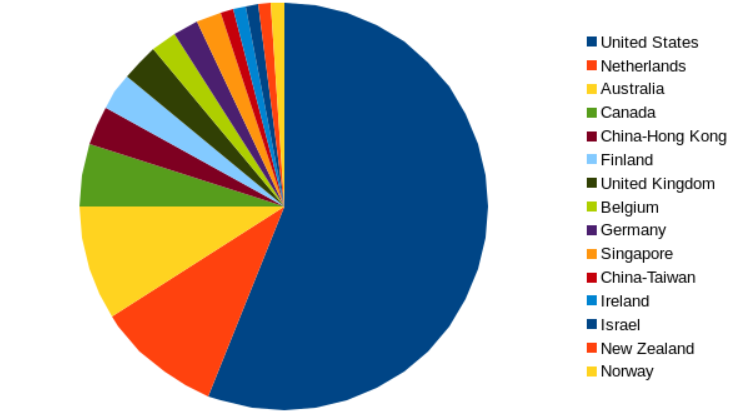
Global university rankings have become a powerful force shaping international education in the modern world. Rankings published by international organizations and media institutions influence how universities are perceived, how students choose study destinations, and how governments design higher education policies. As international education continues to expand, global rankings play an increasingly significant role in determining institutional reputation, student mobility patterns, and international academic competition.
One of the primary ways global rankings affect international education is through student decision-making. International students often rely on rankings to assess the quality and prestige of universities abroad. High-ranking institutions are perceived as offering superior academic standards, better facilities, and stronger career prospects. As a result, rankings strongly influence the flow of international students toward countries and universities that perform well in global league tables.
Global rankings also shape institutional strategies related to international education. Universities seeking to improve their global standing often invest heavily in internationalization initiatives, such as recruiting international faculty, increasing international student enrollment, and expanding global research collaboration. These efforts not only enhance ranking performance but also strengthen the international profile of institutions. International education thus becomes both a goal and a strategy for universities competing in the global higher education market.
Research output and academic reputation are central components of most global ranking systems. Universities with strong research performance attract international scholars, postgraduate students, and research funding. This creates a cycle in which highly ranked institutions continue to dominate international education and knowledge production. While this concentration of resources promotes excellence, it can also widen gaps between elite institutions and those with fewer resources.
Governments are also influenced by global rankings when shaping international education policies. National governments often use rankings as indicators of global competitiveness and quality assurance. Policies aimed at improving ranking positions may include increased funding for research, incentives for international collaboration, and reforms to higher education governance. In many countries, international education strategies are closely linked to ranking performance and global visibility.
Despite their influence, global rankings raise important concerns regarding equity and diversity in international education. Ranking methodologies often prioritize research output, citation impact, and reputation surveys, which tend to favor large, research-intensive universities in developed countries. Institutions in developing regions or those focused on teaching and local engagement may be undervalued. This imbalance can limit international education opportunities for students who attend less-ranked institutions.
The dominance of rankings can also shape student mobility in unequal ways. International students are often concentrated in a small number of highly ranked countries and universities, leading to imbalanced global flows. This concentration may reduce the diversity of international education experiences and reinforce existing global hierarchies in higher education. Smaller institutions and emerging education hubs may struggle to attract international students despite offering high-quality programs.
Another important issue is the impact of rankings on academic priorities. Universities may prioritize activities that improve ranking metrics rather than focusing on broader educational goals such as teaching quality, community engagement, or student well-being. This can distort institutional missions and place pressure on faculty and students. In the context of international education, an excessive focus on rankings may undermine holistic learning and intercultural development.
Global rankings also influence transnational education and international partnerships. Institutions often seek partnerships with highly ranked universities to enhance prestige and credibility. While such partnerships can support knowledge exchange and innovation, they may also marginalize institutions outside the ranking elite. Equitable and mutually beneficial collaborations are essential to ensure that international education serves broader global interests.
In recent years, there has been growing debate about reforming global ranking systems to better reflect diversity and social responsibility. Some ranking organizations have introduced indicators related to sustainability, social impact, and international diversity. These changes reflect a broader understanding of quality in international education that goes beyond research performance alone. Such reforms may encourage institutions to adopt more inclusive and socially engaged international education strategies.
Looking to the future, global rankings will continue to influence international education, but their role may evolve. Greater emphasis on digital learning, sustainability, and global citizenship may reshape ranking criteria. Institutions and policymakers may also adopt more balanced approaches that consider rankings alongside other measures of quality and impact. A more nuanced understanding of excellence can support a more equitable and diverse international education landscape.
In conclusion, global rankings play a significant role in shaping international education by influencing student choices, institutional strategies, and government policies. While rankings can promote excellence and global visibility, they also raise concerns related to equity, diversity, and academic priorities. To ensure that international education remains inclusive and meaningful, stakeholders must critically engage with rankings and promote broader definitions of quality and success in global higher education.


